

The iron deficiency self-test allows you to easily check your ferritin levels with a small drop of blood from your fingertip. Ferritin is a protein that stores iron in your body. Low ferritin levels can be a sign of iron deficiency, which can lead to anemia and associated symptoms such as fatigue or weakness.
This test gives you an initial indication of your iron status. It is not a complete diagnosis, and only a doctor can confirm what the result means and whether further investigation or treatment is necessary.
Always discuss your results with a doctor or pharmacist. The iron deficiency self-test is a useful tool for screening at home, but it does not replace medical advice or consultation with your doctor.
Iron deficiency is the most common nutritional deficiency disorder in the world.
Your body needs iron to produce healthy red blood cells that carry oxygen throughout your body. When iron levels become too low, your body cannot produce enough healthy red blood cells, leading to iron deficiency anemia. This condition develops gradually, often over a period of months or years.
Iron deficiency is particularly common among women of childbearing age, children, and vegetarians. However, it can affect anyone, regardless of age or gender.
The most effective way to prevent iron deficiency is to focus on consuming iron-rich foods such as lean meats, eggs, and leafy greens, and pair them with vitamin C-rich foods such as citrus fruits to boost absorption.
Iron deficiency symptoms often develop gradually and can be easy to overlook initially. Many people attribute early symptoms to stress, busy lifestyles, or getting older. Common signs include:
In children: Iron deficiency in children can affect growth and development. Symptoms may include irritability, difficulty concentrating in school, delayed development, and frequent infections.
It is important to note that these symptoms can also be caused by other health conditions. If you are experiencing several of these symptoms, especially persistent fatigue and weakness, it is worth discussing them with a healthcare provider.
Iron deficiency can develop for several reasons, often involving a combination of factors:
Certain groups of people are at higher risk of developing iron deficiency due to increased iron requirements, poor absorption, or blood loss.
Women of childbearing age: Women have higher iron requirements due to blood loss during menstruation. Women with heavy menstruation are at particularly high risk. During pregnancy, iron requirements increase significantly to support the growing baby and increased blood volume.
Infants and children: Babies are born with iron stores that last for about 6 months. After that, they depend on iron from food. Premature babies have smaller iron stores. Growing children and teenagers need more iron to support their rapid growth.
Vegetarians and vegans: Plant-based foods contain non-heme iron, which is less easily absorbed than heme iron from animal products. However, with good meal planning, vegetarians can meet their iron requirements.
People with certain chronic diseases: Conditions such as celiac disease, inflammatory bowel disease (IBD), or chronic kidney disease can affect iron absorption.
Athletes: Endurance athletes, especially runners, can lose more iron through sweat, urine, and minor gastrointestinal bleeding. Female athletes are at particularly high risk.
Frequent blood donors: Regular blood donation can deplete iron stores over time, especially if donations are frequent and dietary iron intake is marginal.
Older adults: Poor appetite, drug interactions, and chronic diseases can increase the risk of iron deficiency in older adults.
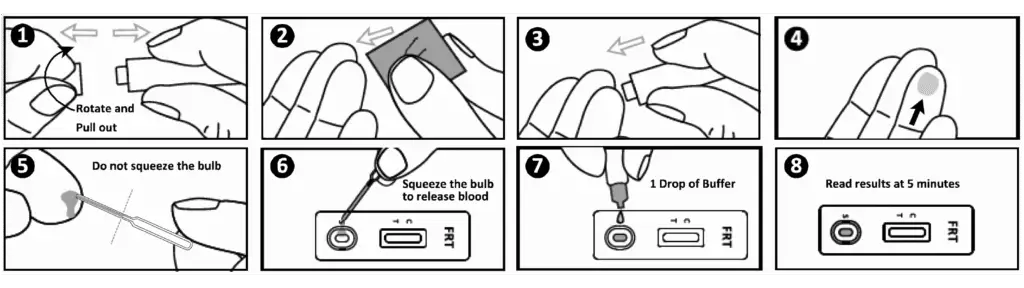
Wash your hands with soap and rinse them with clear warm water.
Bring the bag to room temperature before opening it. Open the foil bag and remove the cassette.
Carefully pull off the cap from the lancet and discard it.
Use the alcohol wipe provided to clean the tip of your middle or ring finger as the puncture site.
Press the lancet, on the side where the cap came off, against the fingertip (it is recommended to use the side of the ring finger). The tip retracts automatically and safely after use.
Keep your hand down and massage the pricked area to obtain a drop of blood.
Without squeezing the capillary dropper, bring it into contact with the blood. The blood will flow through the capillary action in the capillary dropper to the line marked on the capillary dropper. You can massage your finger again to obtain more blood if the line is not reached. Avoid air bubbles as much as possible.
Place the collected blood into the sample opening of the cassette by squeezing the dropper.
Wait until the blood has completely dripped into the well. Unscrew the cap from the buffer bottle and add 1 drop of buffer to the sample well of the cassette.
Wait until the colored line(s) appear(s). Read the results after 5 minutes. Do not interpret the result after 10 minutes.

This result means that the ferritin concentration in the blood is normal and that there is no potential iron deficiency.

This result means that the ferritin concentration in your blood is too low. Consult a doctor, as this may indicate iron deficiency.

Insufficient sample volume or incorrect procedure techniques are the most likely causes of a defective control line. Check the procedure and repeat the test with a new test. If the problem persists, stop using the test kit immediately and contact your local distributor.